say less. do more.
A calm execution layer built on the floor, not in a boardroom. Designed for live service, shift pressure, and high churn.
The operational layer between tools and execution
Not POS. Not payroll. Not accounting. Specialist systems stay in place. Say Less runs everything between them.
Designed under real service pressure
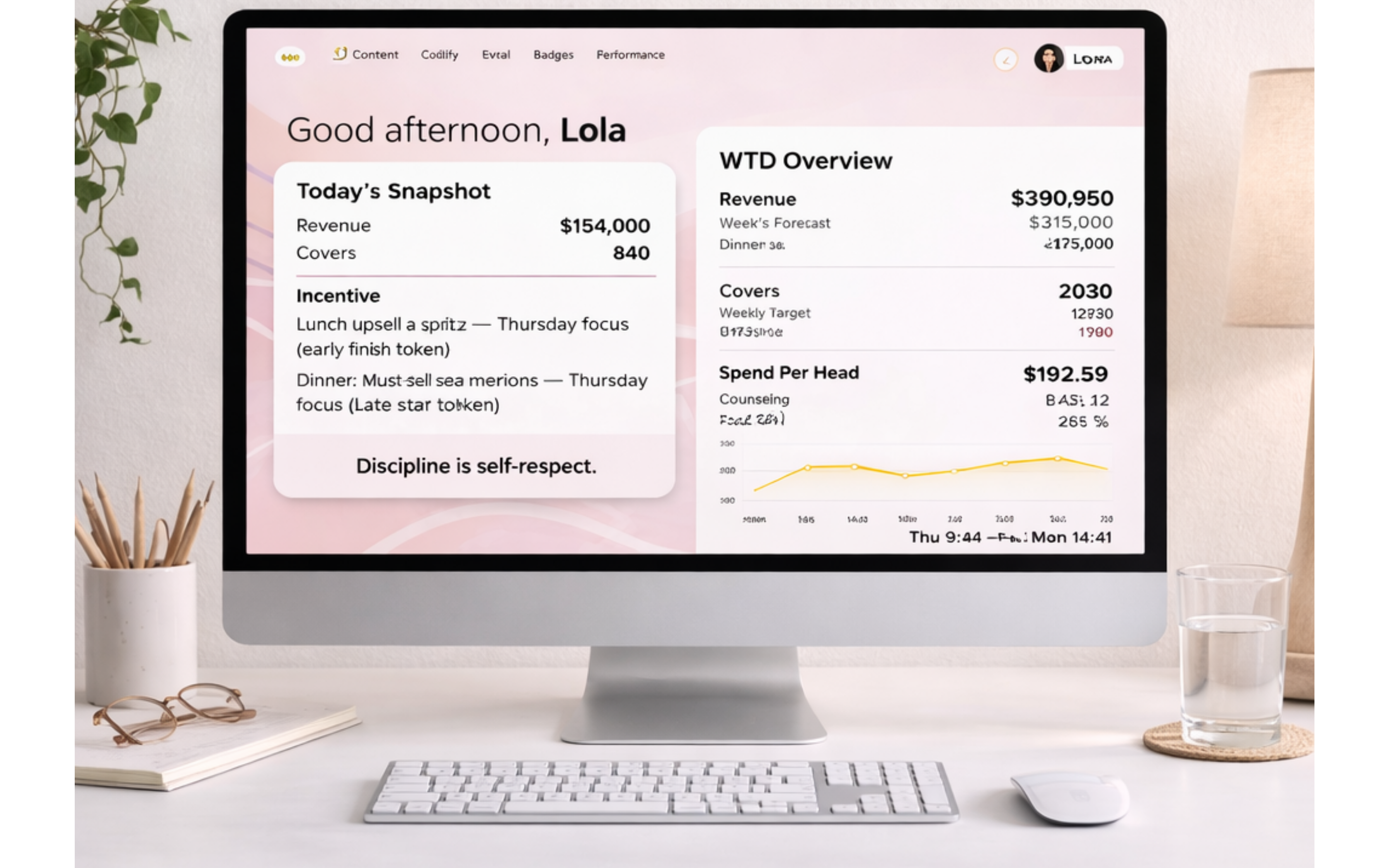
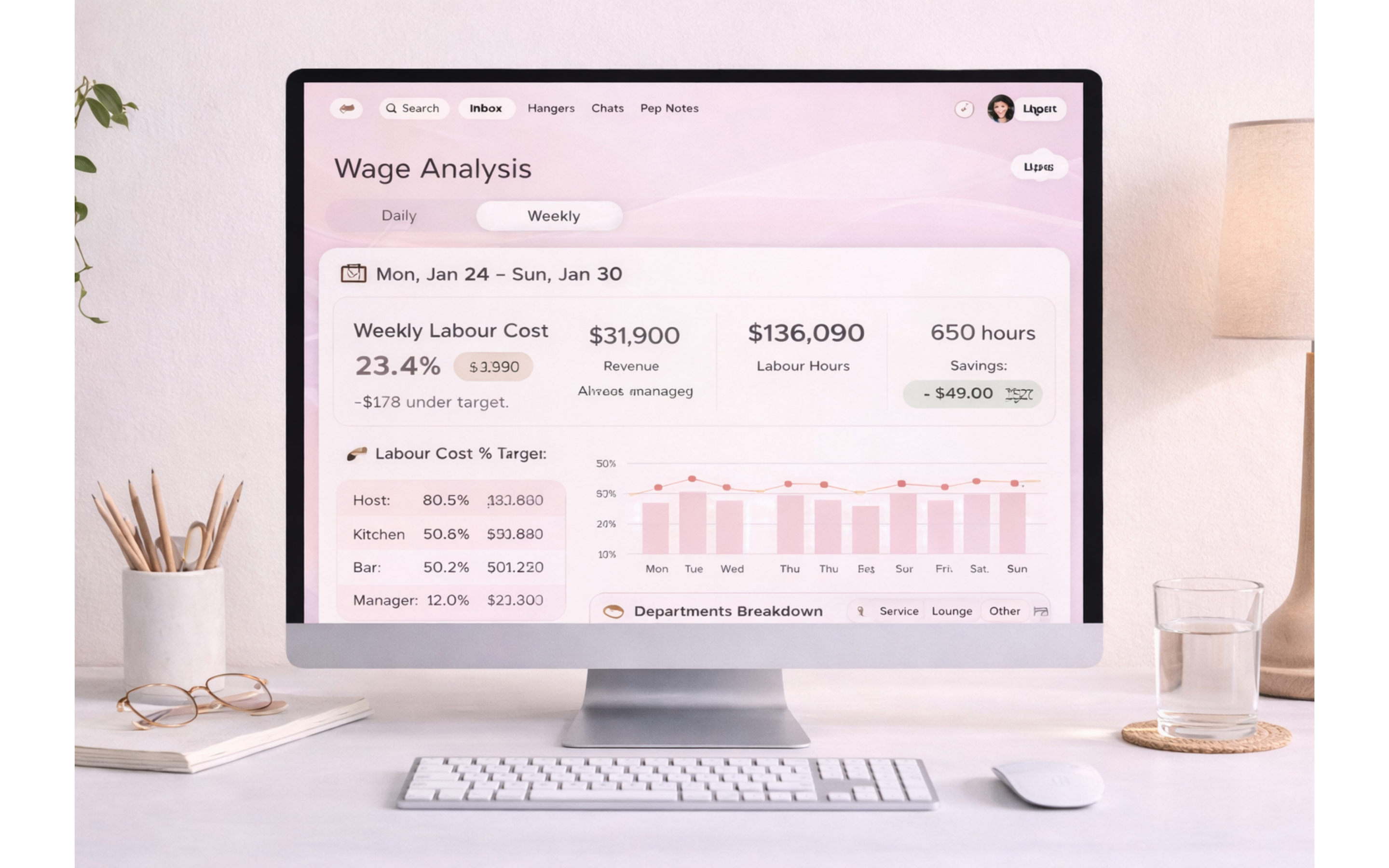
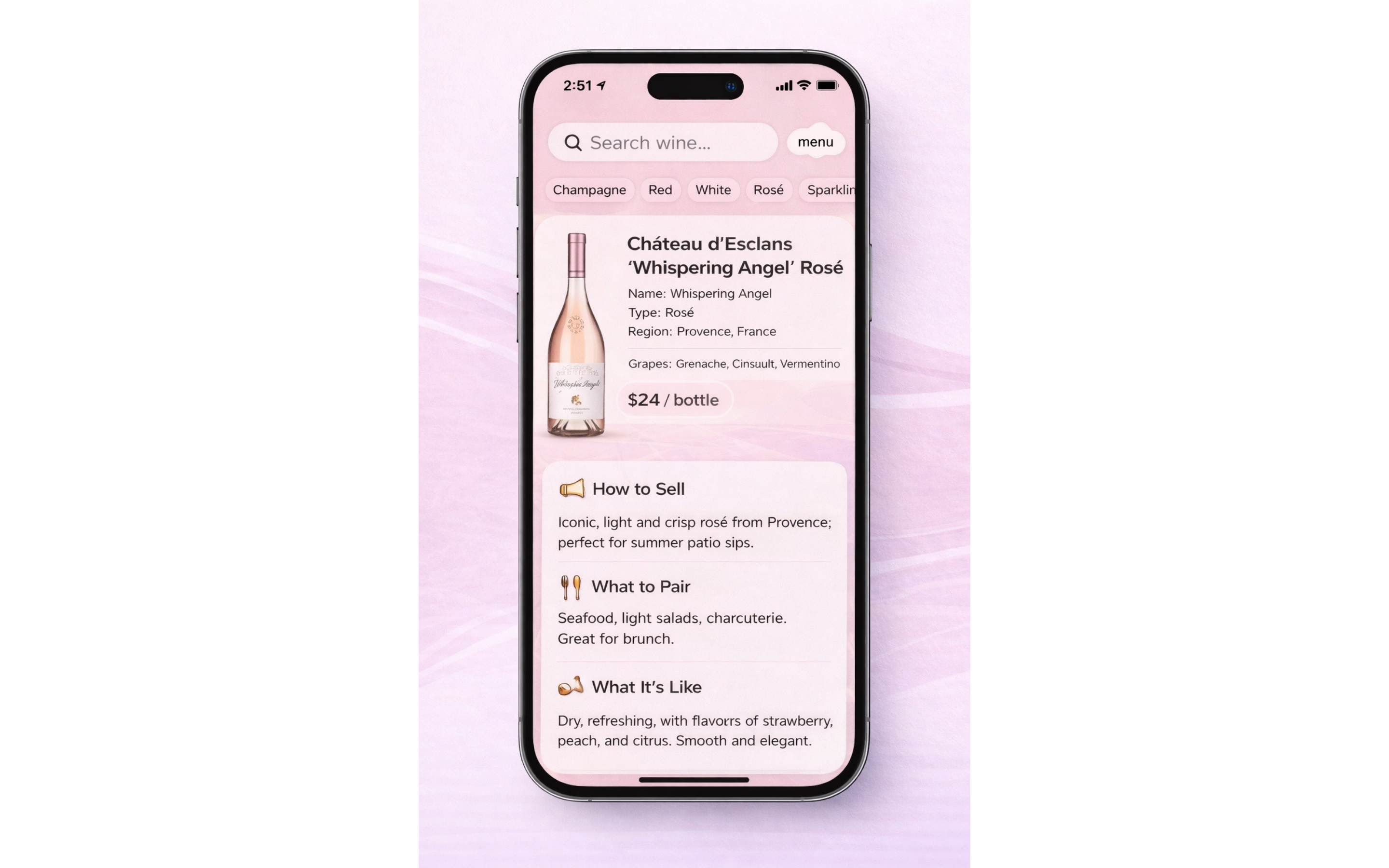
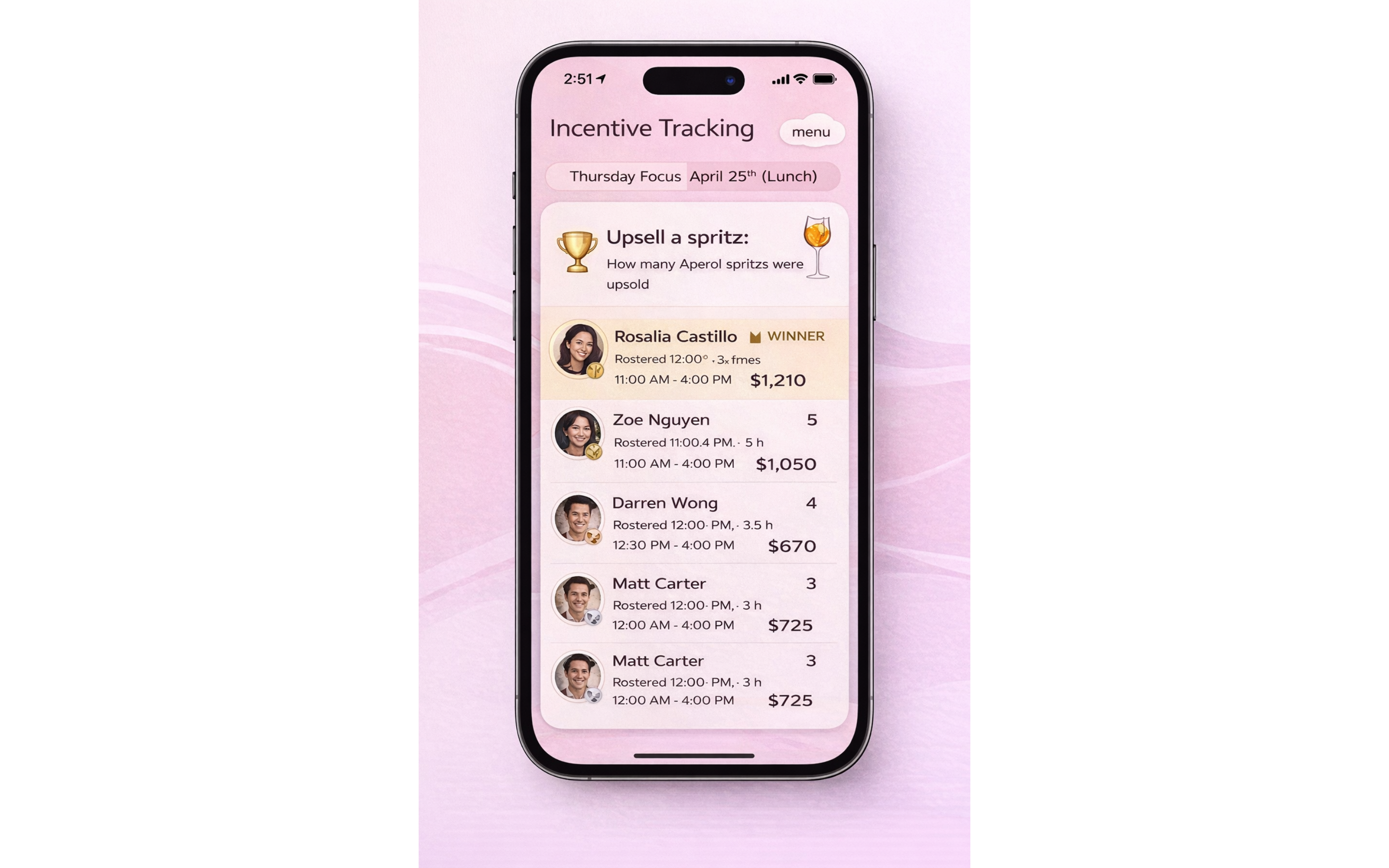
Say Less already exists as a functional operational system deployed inside a high-volume Sydney venue. Workflows were built, tested, broken, and rebuilt in live operations.
Next step: productize outside the first context with hardened permissions, multi-venue logic, onboarding flows, and repeatable rollout.
Too many tools pretending to be systems
The pain is not that venues use multiple tools. The pain is that the same information gets re-entered, re-formatted, re-shared, and re-explained every week by paid managers.
Double-handling is the real tax
- Staff details captured once, then copied into payroll and “master sheets.”
- Training delivered via PDFs, then tracked in a spreadsheet, then chased in messages.
- Shift expectations posted in group chats, then lost in the scroll.
- Incidents recorded “somewhere,” but not closed out with systematic follow-up.
- Reporting rebuilt manually because data is scattered across tools.
The system is the manager connecting tools
- Admin gets pushed into nights, mornings, and days off.
- Inconsistent onboarding drives churn and constant retraining.
- Critical “how we do things here” lives in heads, not systems.
- Multi-venue growth multiplies inefficiency: processes are rebuilt venue by venue.
Current state
Fragmented by default- Spreadsheets for covers, labour, reporting inputs.
- Group chats for handovers and context.
- Docs and PDFs for training and compliance.
- Notes apps for “remember this.”
- Tool switching mid-shift becomes normal.
Next state
One operational layer- Execution captured once during the shift.
- That same data feeds training, performance, compliance, and reporting.
- POS and payroll remain systems of record. Say Less connects the day-to-day reality.
- Knowledge stays when staff and managers change.
- Managers get floor time back. Owners get consistency and visibility.
Capture execution once. Reuse everywhere.
Say Less unifies the operational layer: the daily workflows that managers run manually across spreadsheets, chats, PDFs, and memory. Reporting becomes an output of execution, not an extra job.
Clarity
Know what’s happening. One command centre for the day.
- Daily snapshot: covers, revenue context, focus points, risks.
- Follow-ups, tasks, and accountability in one place.
- Shift briefs and handovers stay visible and searchable.
Consistency
Run the same way every time, across shifts and venues.
- Reusable templates aligned to service types.
- Training and role readiness tracked inside the workflow.
- Operational standards survive turnover.
Control
Without micromanaging. Just structured visibility.
- Audit-ready trails for incidents, compliance, and follow-through.
- Performance context over time, not vibes and memory.
- Group visibility without destroying venue autonomy.
Scope discipline
Say Less does not try to replace specialist transaction tools.
- Payroll processing stays in payroll. Say Less provides structured outputs (hours, roles, cost centres, notes).
- POS stays system-of-record for sales. Say Less consumes outputs for operational context.
- Reservations remain in booking platforms. Say Less consumes covers and shift context.
A complete operating system, delivered as a wedge
Built to win where pressure is highest: during service. Adoption starts with daily execution, then expands as operational reliance deepens.
Daily execution and operations
People, training, and operational memory
Reporting, revenue and labour context, multi-venue
Integrations (lightweight, API-first)
Say Less consumes and enriches data, then passes structured outputs downstream. It never asks managers to re-enter data they already created during service.
- API connections where available (staff records, approved hours, roles, revenue totals, covers).
- Scheduled syncs for daily/weekly summaries where real-time is not needed.
- Export-ready outputs for payroll and accounting workflows.
- Future-ready webhooks (shift completed, training signed off, incident closed).
Revenue leverage (second-order)
Say Less does not just save money. It improves execution, and execution moves revenue.
- More floor presence, coaching, and pace control.
- Fewer avoidable comps, re-fires, and chaos-driven labour blowouts.
- Performance visibility that isn’t memory-based.
- Standards and operational memory reduce reset cost after turnover.
Conservative ROI is credible ROI
Payback is primarily reclaimed manager time from reduced double-handling. The model below is intentionally conservative.
Payback calculator
Days until Say Less pays for itself. (Use conservative numbers.)
Note: this excludes second-order gains (turnover, training consistency, fewer incidents, faster ramp).
How to read this
- Assume small weekly time savings (1 to 2 hours per manager), not a miracle.
- The biggest win is removing duplication, not “working harder.”
- Payback becomes obvious once Say Less is the default place ops lives.
Second-order gains (not priced in)
- Reduced churn from consistent onboarding and clearer expectations.
- Fewer preventable incidents and faster closure loops.
- Less reporting lag. Better decisions mid-service.
- Operational memory reduces “reset cost” when managers change.
Grounded market math, not TAM theatre
The market is not just software spend. It is the hidden labour cost of manually stitching systems together every day. Say Less targets multi-shift venues with 10+ staff and real operational complexity.
Beachhead (ICP)
- Multi-shift venues with 10+ staff (often 30 to 200).
- High manager admin load and training + compliance pressure.
- Already using 3 to 8 tools (the “ops gap” is real).
- Trigger moments: growth, turnover spikes, compliance incidents, new venue openings, new ops lead.
Why adoption becomes believable
- Sold as relief, not a productivity upgrade.
- Wedge starts where pressure is highest: daily execution during service.
- Once context and follow-ups live in one place, reverting to spreadsheets and chat threads becomes actively painful.
- Land-and-expand: add workflows as reliance deepens, not all at once.
SOM calculator
Bottom-up: venues × adoption × ARPA. (Illustrative and conservative.)
Per-venue pricing that fits hospitality reality
Per-venue pricing fits hospitality: casual-heavy teams, high turnover, and many operational users who should not be priced as “seats.” Operators budget by venue performance and complexity, not user count.
Subscription tiers (per venue / month)
- Core (A$349) — Daily ops dashboard, shift snapshot, briefs, handovers, covers tracking, basic reporting, tasks and checks.
- Growth (A$549) — Full onboarding, training hub, performance notes and coaching continuity, incidents and follow-ups, advanced reporting.
- Group (A$749) — Multi-venue dashboards and variance views, cross-venue reporting and benchmarking, group templates, rollout playbook.
Pricing is anchored to recovered labour value and operational scope. Final packaging is validated with design partner venues.
Implementation (early expansion)
For group rollouts, implementation is a separate line item: configuration, templates, training, and onboarding support. This improves cash flow and increases successful adoption.
- Configuration and venue setup logic
- Templates for briefs, training, compliance workflows
- Role-based permissions and rollout sequencing
- Repeatable playbook that does not require founder involvement
Pilot → prove ROI → convert → expand
Say Less is sold first as a daily execution system: shift briefs, handovers, incidents, and follow-ups. Most venues implement this in under 2 weeks and see admin reduction within 30 days.
Who
- Hospitality groups and multi-site operators
- High-volume independents with multi-shift complexity
- Operators already drowning in spreadsheets, chats, and “manager memory”
How
- Design partners: 3 to 5 venues to validate ROI, packaging, and deployment playbook
- Land: single venue with visible pain (admin drag, turnover, compliance pressure)
- Expand: add workflows (onboarding, training, IRs, performance)
- Scale: group rollout via templates, standard reporting, multi-venue dashboards
Pilot shape (simple and measurable)
2 to 4 weeks to implement and measure, focused on daily execution workflows.
- Hours returned to managers (admin reduction)
- Reporting lag reduction
- Completion rates (training, follow-ups, compliance evidence)
- Managers stop reopening spreadsheets and chats mid-shift
- Operational decisions and context live in one place
- Clear willingness-to-pay based on observed value
- Pathway to expand within the group without adding complexity
Spreadsheets store information. Say Less runs behaviour.
The true competition is behavioural change. The comfortable chaos of spreadsheets feels safe until you experience operations with continuity.
Why this is hard to copy
- Workflow depth: the execution layer (handover, briefs, incidents, follow-ups) used under pressure.
- Operator-built: designed from lived pain, not assumptions. Low tolerance for friction is baked in.
- Data model compounding: operational memory strengthens over time, creating behavioural switching costs.
- Expansion path: wedge → suite through dependency, not feature sprawl.
Defensibility through daily dependency
Retention strengthens because Say Less becomes the operational memory: templates, training records, incident history, and performance continuity. Once embedded, reverting to fragmented tools becomes unacceptable.
- Embedded daily: used during service, not “when you have time.”
- Continuity: standards don’t reset when managers change.
- Accountability: follow-ups have owners and closure loops.
- Visibility: role-based dashboards reduce cognitive load instead of adding dashboards.
12 months. Phased. Pressure-tested.
Sequence, not fixed dates. The product strategy prioritises daily execution, staff lifecycle, operational memory, and reporting before expanding into intelligence layers. If it does not help the venue run better today, it does not ship.
Production-grade data model, permissions, audit trails, templates, and onboarding flows so the system deploys without founder babysitting.
Outcome: Say Less runs the majority of the operational day inside one system.
2 to 4 pilots to confirm before-and-after impact: time saved, admin reduction, faster onboarding, improved completion, reduced reporting lag. Packaging and playbook refined.
Outcome: Documented ROI and clear willingness-to-pay.
Multi-venue configuration, standardisation, group-level visibility with role-based dashboards. Repeatable rollout via templates and implementation playbooks. Reliability and integrity hardened.
Outcome: Platform behaviour, not bespoke projects.
Constraint (non-negotiable)
Say Less is built with a hard constraint: it must deploy without founder involvement. If the system cannot be implemented by operators without custom work, it is not considered production-ready.
Pre-seed: productize + pilots + proof
Raising to ship v1 outside the first context, stand up 2 to 4 pilots, and prove repeatable onboarding, retention, and ROI. The goal is a wedge that expands without complexity.
What the raise funds
- Hardened architecture and data model
- Role-based permissions, access control, multi-venue logic
- Onboarding flows and templates (deployable without founder)
- Pilots with measurable before-and-after outcomes
- Packaging and rollout playbook for groups
Next step
If this matches how you think about hospitality operations, request the full deck. I will share the deeper product detail, pilot plan, and operating plan.
Contact: lola.louise@sayless.au
Positioning: Built for owners. Designed for managers. Proven on the floor.
Request the full deck
Short form. I’ll reply personally with the full deck and the deeper pilot plan.